A garage door tune up checks the door, opener, safety parts, and moving hardware. It can make daily use quieter and help find wear early. Homeowners can handle simple cleaning and visual checks. Spring, cable, and bracket work need a trained garage door repair professional in Paso Robles.
Table of Contents
- What is included in a garage door tune-up?
- Why is my garage door making so much noise?
- Which garage door parts need lubrication?
- How does a tune-up improve garage door safety?
- How often should a garage door receive maintenance?
- Can a tune-up prevent common garage door problems?
- When should you schedule a professional garage door tune-up?
- Frequently Asked Questions
- Conclusion
What is included in a garage door tune-up?
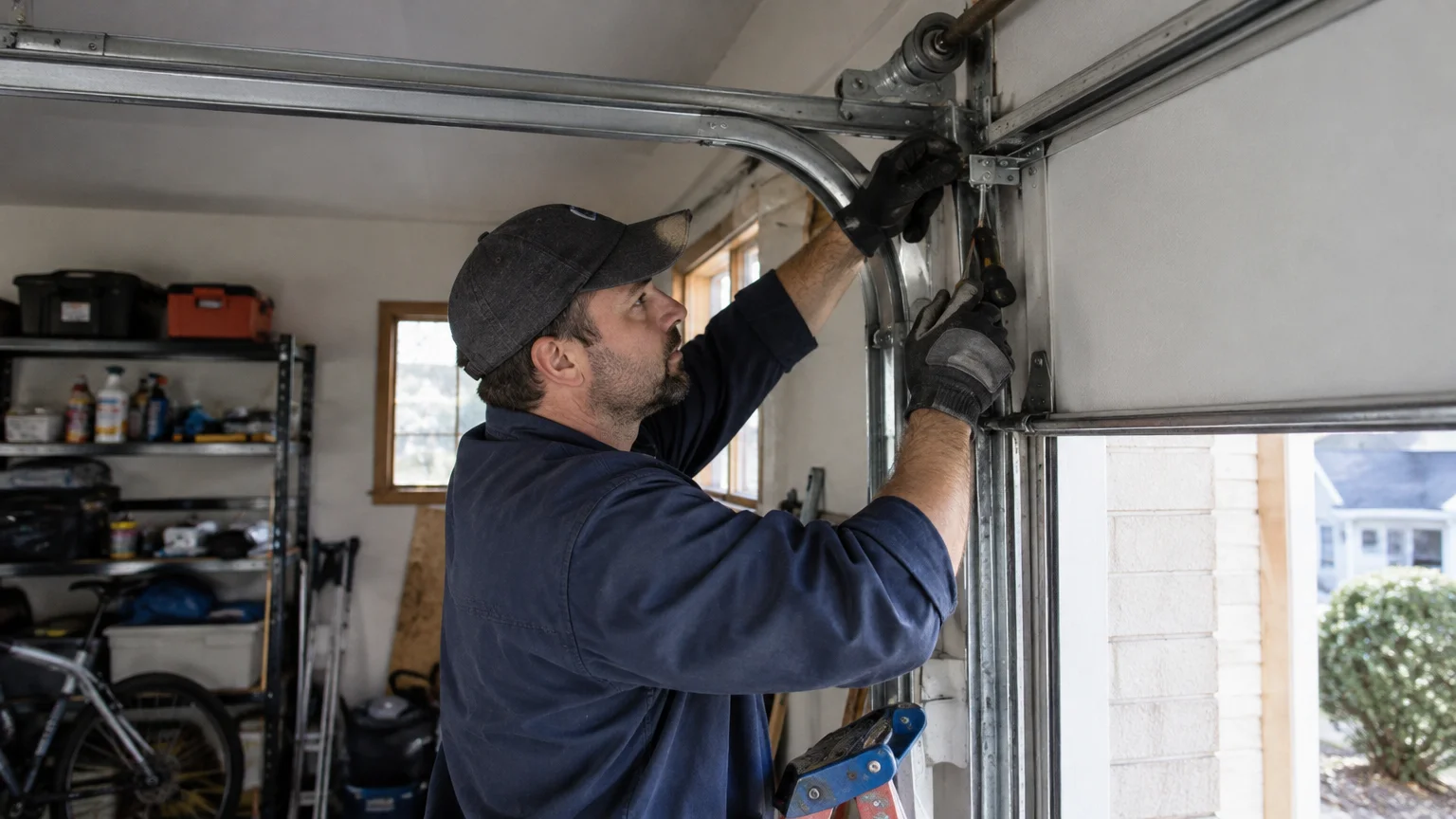
A garage door tune-up is a planned check of the door and its parts. It can find wear before a small concern becomes a sudden failure. The visit may include cleaning, lubrication, safety tests, balance checks, and an opener review.
Visual inspection and safety checks
The technician checks the panels, tracks, hinges, rollers, cables, springs, brackets, and opener. A visual inspection means looking for rust, loose hardware, bends, cracks, and other signs of wear. This check does not repair a broken part.
The technician may also check the door’s safety sensors. These small photo eyes sit near the floor on each side of the opening. They should face each other and stay free of dirt and objects. The opener should respond to its wall control and remote.
A tune-up may include tightening safe, reachable hardware and removing dust from key areas. It can also include a look at the garage door seal along the bottom and sides. A worn seal may let in air, water, light, and pests. The technician can explain whether adjustment, repair, or replacement is the best choice.
Testing the door’s balance and movement
The door should move smoothly without shaking, dragging, or leaning. A balance check looks at how well the spring system supports the door’s weight. A door that feels very heavy, drops fast, or rises unevenly may have a garage door spring or cable problem.
Homeowners should not remove spring tension or adjust spring hardware. Torsion springs and extension springs hold strong force. If that force releases, it can cause serious injury or damage. A trained professional has the tools and safety training for this work.
Why is my garage door making so much noise?
A noisy garage door may need cleaning, lubrication, adjustment, or a closer check. Dry hinges or rollers can cause squeaks. Loose hardware can cause rattles. Grinding, popping, or scraping may point to worn parts or poor door movement.
Common causes of squeaks, rattles, and grinding
Squeaks often start when moving metal parts lose lubrication. Dirt may also collect around rollers, hinges, and tracks. Rattling can come from loose nuts, bolts, brackets, or an opener that vibrates. A small sound may grow as the parts wear.
Grinding needs more care. It may mean a roller is damaged, a track is bent, or the door is rubbing against another part. A loud pop may come from a spring or cable concern. Scraping may mean the door is off track or no longer level.
A homeowner can listen from a safe distance while the door opens and closes. Keep the space clear during this check. Children, pets, and stored items should stay away from the moving door.
When unusual sounds point to a developing repair
Noise matters more when it comes with another change. Slow movement, shaking, jerking, gaps between rollers and tracks, or early stopping may need service. The opener may also run longer when the door becomes heavy or hard to move.
Garage Door Opener Repair may be needed when the motor clicks, hums, strains, or does not respond. Garage Door Off Track Repair may be needed when rollers leave the track or the door hangs at an angle. Do not force these problems back into place by hand.
Paso Robles Garage Door Repair helps Paso Robles homeowners understand whether a noisy door needs basic care or a repair. Clear advice can help an owner choose a safe next step.
Which garage door parts need lubrication?
Hinges, rollers, springs, and bearings may need the right lubricant. Lubrication lowers friction between moving surfaces. It does not repair a cracked roller, broken spring, bent track, or loose bracket.
Hinges, rollers, springs, and bearings
Hinges connect the door sections and move as the door bends. Rollers travel inside the tracks and may have sealed bearings. Springs help lift the door. Bearings help parts move with less friction. Each part needs a careful check before any product is applied.
Tracks usually need cleaning, not heavy lubrication. Thick grease can hold dirt and make the problem worse. Do not coat the track in a way that makes rollers slip or collect grit.
A homeowner can wipe loose dirt from safe, reachable surfaces. Unplug the opener before cleaning close to moving parts. Keep the door still. Never reach between panels, rollers, springs, or cables.
Choosing the right lubricant and applying it safely
A lubricant made for garage door hardware is often better than thick household grease. Follow the product label. Some sprays attract dirt or are not made for garage door parts. The goal is a light coat on safe moving parts, not a wet or dripping surface.
Homeowners should not spray springs, cables, or brackets while touching or moving them. These parts may hold dangerous tension. A professional can inspect the hardware first. They can decide whether lubrication is safe or whether a worn part needs replacement.
After safe care, watch the door for smooth movement and new sounds. If noise remains, dry hardware may not be the cause. The issue may involve balance, alignment, bearings, the opener, or a damaged part.
How does a tune-up improve garage door safety?
A tune-up improves garage door safety by checking movement, the reversing system, sensors, and visible hardware. It can find parts that are loose, bent, worn, or damaged. Lubrication alone cannot make an unsafe door safe.
Checking the reversing mechanism and photo eyes
The reversing mechanism should respond when the door meets an object in its path. Photo eyes detect an interruption and tell the opener to stop or reverse. Dirt, poor alignment, wiring trouble, or a failed sensor can stop this response.
A technician checks the opener controls and watches the door during use. Keep the opening clear during testing. People, cars, toys, and stored items should not block the door or sit below it.
Never disable safety sensors to make the door close. Do not change opener force or travel settings unless you know the correct procedure. Wrong settings can raise risk and hide a mechanical problem.
Identifying worn or damaged components
A tune-up may reveal frayed cables, cracked rollers, bent tracks, worn hinges, loose brackets, or weak seals. It may also show that a spring no longer supports the door well. These findings help the owner plan a repair before the door stops working.
Garage Door Cable Repair is different from routine lubrication. Lift cables carry heavy loads and may move suddenly when damaged. Bottom brackets also connect to high-tension parts. Homeowners should not remove them.
The same care applies to business and rental properties. A door serving a shop, storage area, or shared building can affect access and security. Paso Robles Garage Door Repair offers repair guidance for properties and nearby areas.
How often should a garage door receive maintenance?
Many garage doors benefit from a yearly maintenance review. Busy doors may need attention sooner. The right schedule depends on use, age, weather, dirt, moisture, and past repairs. Arrange a check sooner when the door becomes noisy, slow, uneven, or hard to control.
Factors that affect the ideal maintenance schedule
A door used many times each day may wear faster than one used less often. Older doors may need closer checks because rollers, hinges, cables, seals, and springs have had more time to wear. Dust, heat, storms, and damp air can also affect metal parts and seals.
Commercial doors and doors in shared properties often face heavier use. Owners may need a clear plan that records noise, movement, sensor response, and repairs. Notes can help show changes over time.
Homeowners can keep the area clear, remove visible dirt, watch for loose parts, and listen for changes. They should not adjust springs, cables, bottom brackets, or other parts under tension. A trained inspection is safer for those concerns.
Warning signs that the door needs attention sooner
A door may need prompt service when it shows any of these signs:
- It opens unevenly, shakes, jerks, or stops before reaching the floor.
- It makes grinding, popping, scraping, or repeated loud rattling sounds.
- A spring looks broken, a cable looks frayed, or a roller leaves its track.
- The opener hums, clicks, strains, or does not respond to controls.
- The door feels unusually heavy or will not stay open safely.
A door stuck closed can create an access problem. A door stuck open can create a security concern. Keep people away from the system and arrange trained help.
Can a tune-up prevent common garage door problems?
A tune-up can reduce strain and find many problems early. It may help the door move more smoothly and help the opener work under a normal load. It cannot stop every spring failure, storm impact, cable break, or worn-out part.
Reducing strain on springs, cables, and the opener
A balanced door places less stress on the opener. Clean rollers and sound hinges can help the door travel with less drag. Aligned tracks can also support steady movement. These checks may reduce wear, but they do not replace damaged parts.
The opener is made to move a balanced door. When the door becomes heavy, the motor may work harder and run longer. This extra strain can lead to poor performance or opener failure. Garage Door Opener Repair may be the right service when the motor or controls show trouble.
A tune-up can also find early signs of trouble in cables and springs. The technician may recommend Garage Door Cable Repair or another repair when a part is unsafe. Do not keep using the door simply because it still opens.
What maintenance cannot fix on its own
Routine care cannot straighten a badly bent track or rebuild a damaged opener. It cannot safely restore a broken spring or frayed cable. It also cannot correct major panel damage or a door that has fallen off its tracks.
Painting is another upkeep task that needs good preparation. The surface should be clean, dry, and sound before paint is used. Paint should not cover moving hardware, rollers, springs, sensors, or track surfaces. A technician can help separate cosmetic work from repair needs.
When a tune-up finds a larger problem, the owner should get a clear explanation before work begins. The final cost depends on the parts, door size, access, damage, and urgency. The final cost is confirmed on a quote.
When should you schedule a professional garage door tune-up?
A professional tune-up is a good choice when the door is noisy, uneven, heavy, or unreliable. It is also wise before a small issue becomes a blocked opening or safety risk. A local garage door repair team can inspect the system and explain which work needs attention first.
Situations that require trained service
Professional service is needed for broken springs, loose or frayed cables, damaged bottom brackets, bent tracks, and doors that have fallen off track. It is also needed when the door will not reverse, the opener cannot lift the door, or the system shows electrical trouble.
Homeowners do not need a professional for every task. They can keep the opening clear, wipe reachable surfaces, check visible dirt on photo eyes, and note unusual sounds. They should stop and seek trained help when a check involves spring force, lift cables, brackets, or heavy door sections.
When someone searches for garage door repair services near me, the best choice is a provider that explains the problem clearly and follows safe work practices. Paso Robles Garage Door Repair can help property owners review repair and upkeep needs without guessing at the cause.
What to expect during a professional visit
The technician usually starts by asking about the door’s symptoms and use. The visit may include a visual check, movement test, balance review, sensor check, opener check, and lubrication of suitable parts. The technician should explain unsafe findings before work starts.
The owner may receive options based on urgency and condition. A minor upkeep need may be separate from a repair that affects safety. If the door needs a larger fix, the final cost is confirmed on a quote before the owner approves the work.
A professional tune-up cannot promise that every future failure will be avoided. It gives the owner a clearer view of the system and helps address risks sooner. That can help protect access, security, and daily use at a home or business.
Key Takeaways
- A garage door tune up checks movement, balance, safety parts, hardware, and the opener.
- Homeowners can handle simple cleaning and visual checks, but not spring or cable work.
- Noise, shaking, heavy movement, and slow operation can signal a developing repair.
- The right lubricant helps suitable moving parts, but it cannot repair damaged hardware.
- A professional review is wise when the door becomes unsafe, unreliable, or hard to move.
Frequently Asked Questions
Is a garage door tune-up worth it?
A tune-up can be useful when a door is noisy, slow, uneven, or used often. It may find worn parts before they cause a sudden failure. It cannot prevent every breakdown, but it gives the owner a clearer view of safety, movement, and repair needs.
Can a homeowner lubricate a garage door?
A homeowner can often apply a suitable garage door lubricant to safe, reachable moving parts. The door should remain still during the work. Springs, cables, bottom brackets, and other tension parts should not be handled. A professional should inspect those parts instead.
What is the best lubricant for garage doors?
The best choice is usually a product made for garage door hardware and used according to its label. Thick grease may collect dust and should not cover tracks. Lubrication will not solve grinding, broken parts, poor balance, or a door that is off track.
Who services garage doors near me?
A local garage door repair company can inspect residential, commercial, and rental property doors. Look for clear explanations, safe work practices, and experience with the needed repair. Paso Robles Garage Door Repair serves property owners and can help identify the next step.
How can someone fix a noisy garage door?
The safe first checks are to clear the opening, listen for the source, and look for visible dirt or damage. A technician may clean, lubricate, align, tighten, or replace parts. Grinding, popping, heavy movement, and cable or spring damage need professional attention.
Conclusion
A garage door tune-up covers more than spraying lubricant on a noisy door. It reviews balance, movement, safety sensors, the opener, visible hardware, and signs of wear. Simple upkeep can be done at home, but parts under tension need trained service.
For homeowners and property owners in Paso Robles, early attention can help protect access and security. Contact us today to schedule a professional garage door tune-up with Paso Robles Garage Door Repair.